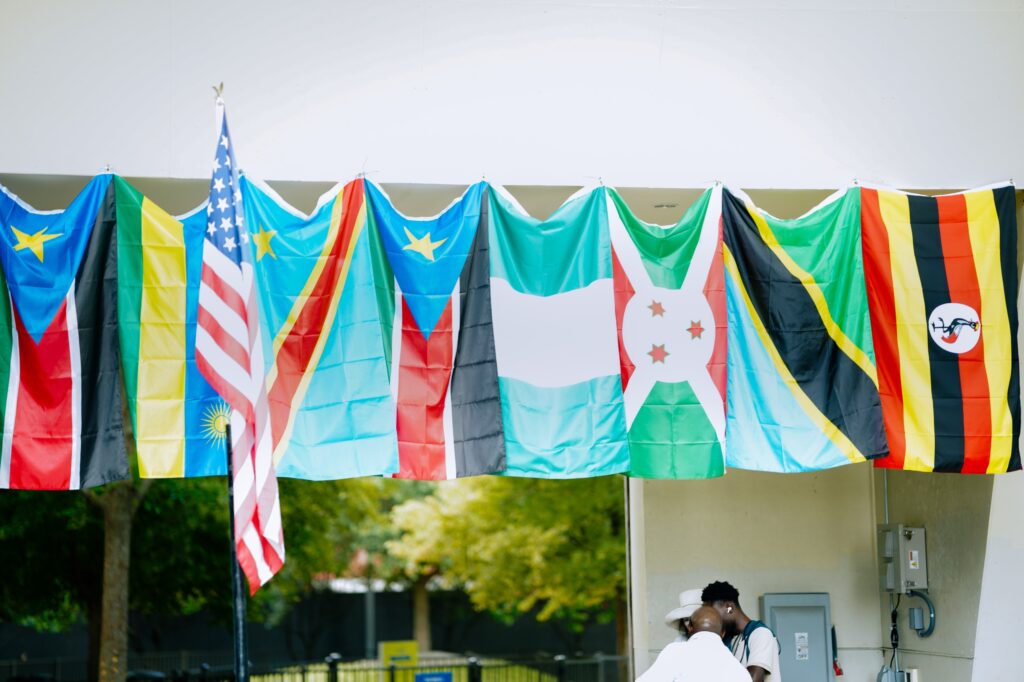
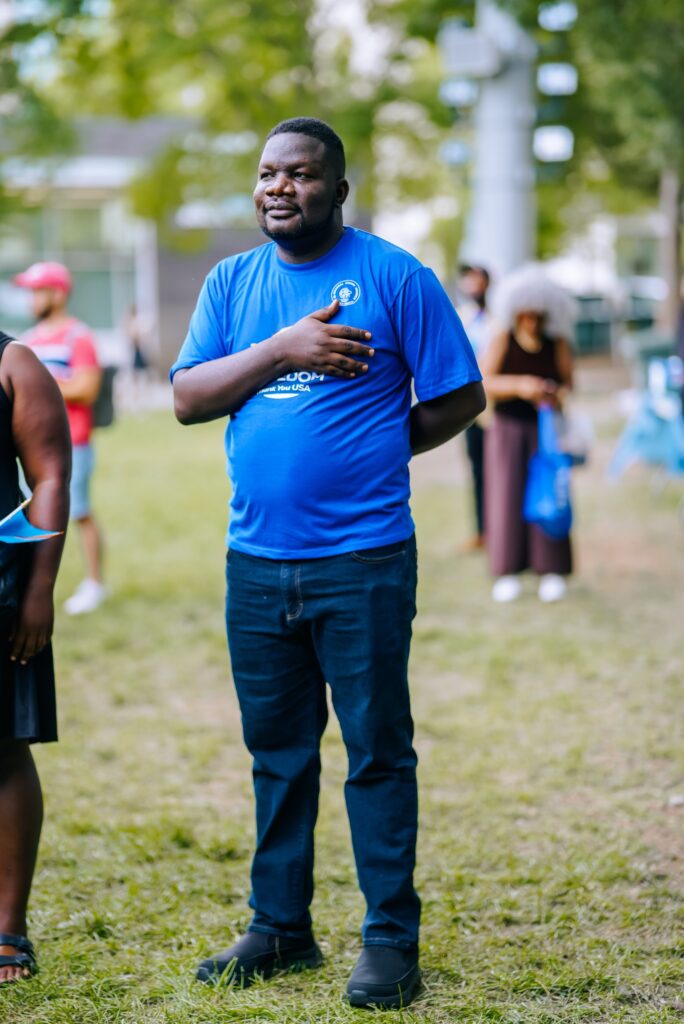
About us

Different Cultures. One Community.

Swahili Day believes that our different languages, cultures, nationalities, and backgrounds should not divide us. They should become a bridge that brings us together.

We celebrate where we come from, build relationships where we are, and work together for the community we share.

Annual celebrations

Swahili Day is celebrated by two branches, each with its own annual festival. When you donate, you choose which branch your gift supports.

Greensboro

LeBauer Park, Downtown Greensboro, NC

The founding branch. The Greensboro, North Carolina celebration is held every first Saturday of August at LeBauer Park, Downtown Greensboro.

Who runs it {{TODO:name of the person who runs the Greensboro branch}} {{TODO:their role, e.g. Branch coordinator}}

The team

  • Prince Mundeke Pastor and co-founder

Minnesota

{{TODO:Minneapolis venue name and full address}}

The Minneapolis, Minnesota celebration is held every last Saturday of August, serving the growing East and Central African communities of Minnesota.

Who runs it {{TODO:name of the person who runs the Minneapolis branch}} {{TODO:their role, e.g. Branch coordinator}}

Who are we

Swahili Day – African Culture Festival is a community movement in the United States started by refugees and immigrants who believe in unity, diversity, cultural pride, and community connection. The movement creates a space where refugees, immigrants, Africans from different backgrounds, and the welcoming community can come together to celebrate culture, share experiences, build relationships, and positively impact the communities we now call home. Although the movement carries the name Swahili Day, it is not limited to Swahili-speaking people. It welcomes all Africans, refugees, immigrants, and members of the wider community who believe in unity and diversity.

Our Core ValuesUnity • Diversity • Culture • Community • Inclusion • Partnership • Service

Our Mission

To bring people together through African culture, food, music, education, community recognition, and cultural exchange while creating opportunities for refugees and immigrants to connect with and positively impact the welcoming community.

Our Vision

To build a united and diverse community where refugees, immigrants, Africans, and the welcoming community celebrate their cultures, build meaningful relationships, and work together to create stronger communities across the United States.

ABOUT KISWAHILI (SWAHILI)

Kiswahili, commonly known as Swahili, is one of Africa’s most widely spoken languages and an important language of unity, culture, trade, and communication. According to the United Nations, Kiswahili serves as a lingua franca in more than 14 African countries. It is widely used across East, Central, and parts of Southern Africa. More than 200 million people speak Kiswahili worldwide, according to UNESCO. The language has also received international recognition: World Kiswahili Language Day is celebrated every year on July 7, and Kiswahili is used by major African and international institutions. Kiswahili is spoken in communities connected to countries including Tanzania, Kenya, Uganda, Rwanda, Burundi, the Democratic Republic of the Congo, South Sudan, Somalia, Mozambique, Malawi, Zambia, and Comoros, with its influence extending to other parts of Africa and beyond. KISWAHILI IN NORTH CAROLINA AND MINNESOTA North Carolina and Minnesota are home to growing East and Central African immigrant and refugee communities, including people from countries where Kiswahili is widely spoken. However, there is currently no reliable official statewide count of Kiswahili speakers alone in either state. U.S. Census language tables group Swahili together with several other Central, Eastern, and Southern African languages, including Ganda, Kinyarwanda, and Lingala. For that reason, Swahili Day does not publish an unsupported exact number. As the movement grows, we hope to work with community partners to better document and understand the Kiswahili-speaking population in North Carolina and Minnesota.
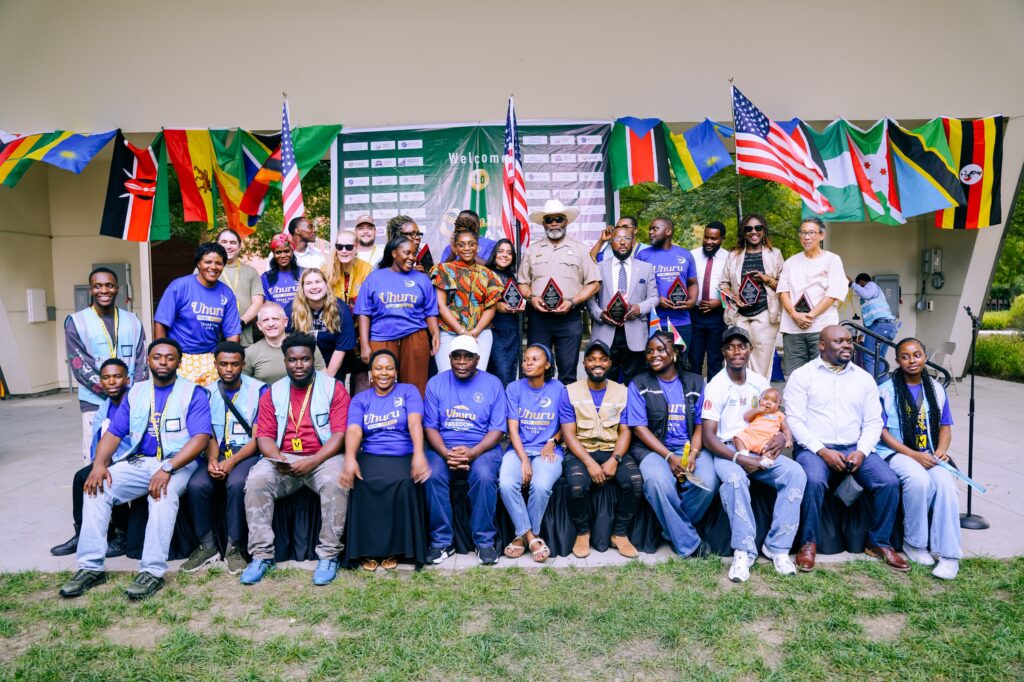
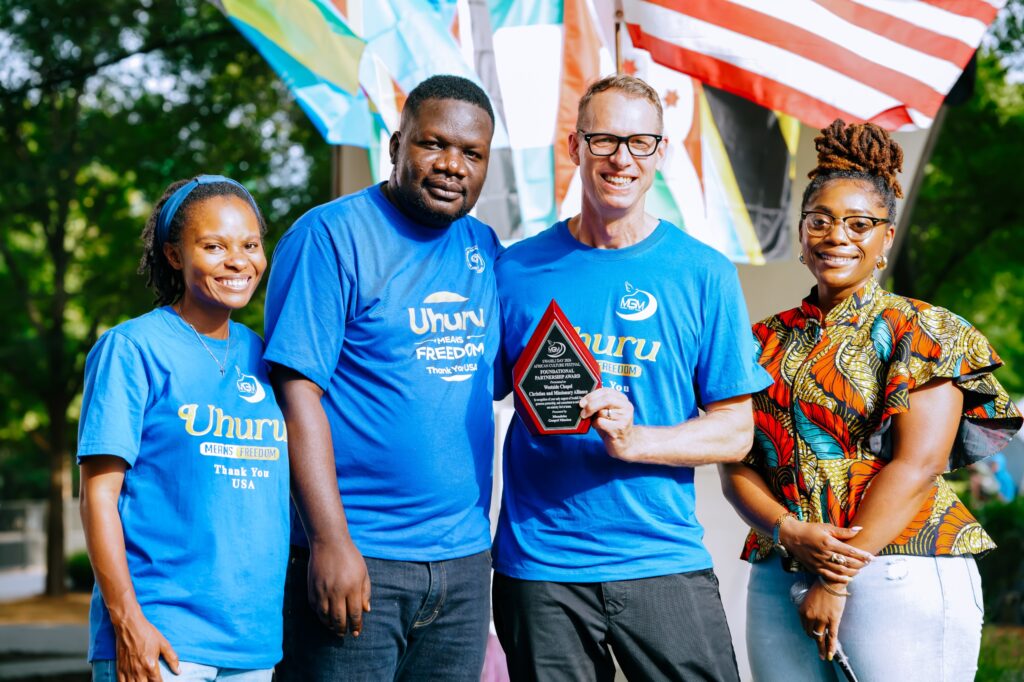
The people behind the day

Swahili Day is organised by the team of Mundeke Gospel Mission.

  • Prince Mundeke

    Pastor and co-founder

  • Laurette Mundeke

    Co-founder

Come and spend the day with us

Reserving a place takes less than a minute. It costs nothing, commits you to nothing, and helps the organisers plan for the right number of people.

Free admission. No ticket required. Your details are used only to plan the day.

If you would rather support the day than attend it, a donation to Mundeke Gospel Mission is tax-deductible.